Angles That Lead: Comparative Insights Driving the Square Perfume Bottle Boom
Introduction: A Moment on the Vanity, A Market in Motion
At dusk, the mirror glows as a hand reaches for the evening’s scent—quiet, sure, like a small ritual shared with the light. On the marble, square perfume bottles cast trim shadows and crisp reflections, tidy as little skylines. In the trade, demand for square perfume glass bottles wholesale has risen across recent seasons, as brands chase cleaner lines and a braver shelf stance. Category reports point to a steady lift in shape-led buying, with geometry guiding attention more than ever (a shape can tell a story before a logo speaks). Yet here’s the tender question: if simplicity is the promise, why do so many launches still feel fragile in the hand, or flat on the eye?
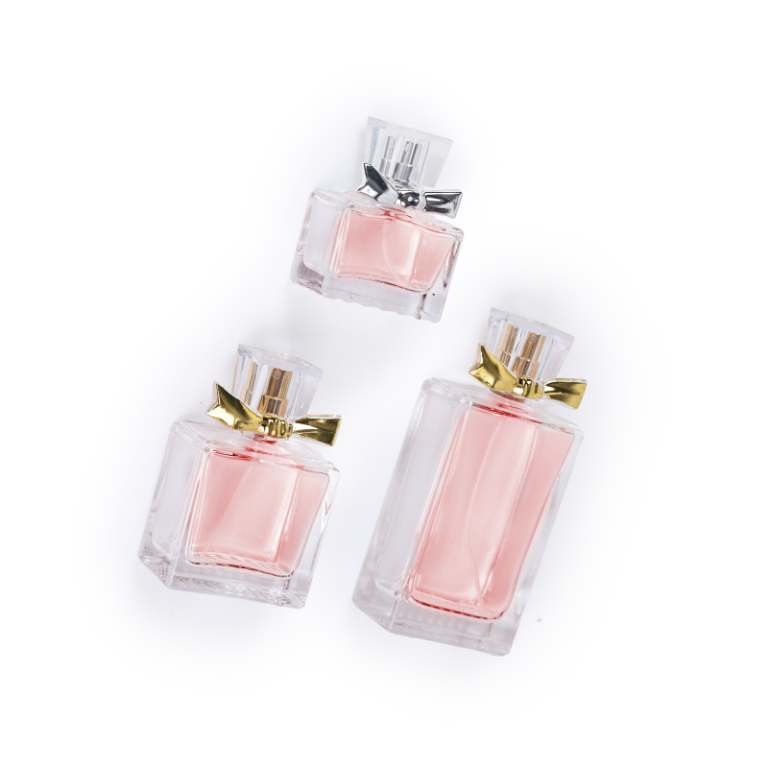
I’ve watched teams wrestle with tiny things that become big—mold tolerance, cap click, the first nick that ruins a run on a spray coating line. The numbers are there, plain: more skus, tighter MOQs, shorter timelines. But the heart of it is human. We want the perfume to look like how it makes us feel. And when the edges miss by a hair, the feeling slips. So, how do we make the square sing without losing the soul—or the schedule? Let’s turn the light and compare what matters next.
Hidden Stress Points Behind the Neat Geometry
Where do the classic fixes fall short?
Let’s be direct. Square looks simple; it is not. Traditional “round-first” playbooks break down at the corners. Label creepage shows faster on flat faces. Cap wobble reads louder on a sharp shoulder. A standard annealing lehr cycle that forgives a round bottle can warp stress near square edges—funny how that works, right? This is where buyers of square perfume glass bottles wholesale hit the hidden pain: small variance stacks up. Cap torque goes out; gasket compression shifts; the seal sings off-key. Look, it’s simpler than you think: geometry makes errors visible. And visibility hurts impressions, fast.

Old fixes try to pad the risk. Thicker glass, more glue on labels, softer caps. But those bring weight, cost, and a dulled hand feel. Worse, they mask root causes. What’s missing is early QC sampling tuned for flats and corners, not curves; a tool plan that sets tighter mold tolerance around the neck ring; and a closure spec that treats the square as an interface, not a shape. Shipping adds more stress. A square packs well, yet edge bump can scuff faster if carton fit is loose. Without better tray design and corner guards, a clean face leaves the line and arrives with kisses of abrasion. Classic fixes aim wide; the square demands aim true.
Comparative Pathways: Case Lessons and a Near Future
What’s Next
Consider a mid-size niche label that switched from a round 100 ml to a squared silhouette. They partnered with a seasoned square glass perfume bottles manufacturer and rebuilt the spec from the neck down. First, they moved emboss cavity detail from the shoulder to the base, improving cap seating and reducing seal drift. Second, they added a low-gloss spray with a softer binder—less prone to edge cracking in transit. Finally, they tightened palletization ratio with better dividers, so edges didn’t kiss under load. The result wasn’t flashy; it was felt. Fewer reworks on line start, cleaner label straights on flat faces, and a calmer launch week (everyone slept—rare, and lovely). And the shelf told a story the round never could—precise, modern, still warm.
Where it’s heading: smarter glass and smarter checks. Vision systems now read flat-plane glare to catch micro-waves before carts roll; recycled cullet ratios are getting cleaner, so color holds truer without heavy tint; water-based lacquers bond better with less brittleness on edges. Expect cap torque specs to pair with neck ring heat maps, and carton drop tests to reflect the real path from line to last mile—not just the lab. To choose well, anchor on three signals. One: geometric consistency, measured by face flatness and neck alignment (not only weight). Two: process control, proven by annealing profiles and first-pass yield, with evidence you can see. Three: logistics reality, including abrasion testing and pallet corner compression. When these line up, square becomes steady, and beauty holds its breath a little longer—just enough. For teams that keep learning and comparing, the edge is kind. NAVI Packaging
