Comparative Insights: Why Pantograph Chargers Are Shaping Smarter Transit
Introduction
Have you ever watched a busy depot at dawn and wondered why some buses leave full and some wait—despite being electric? I bring that scene up because when fleet uptime drops by even 5%, service ripples across a city, affecting riders and staff alike. A pantograph charger sits atop this problem in many systems; it’s a core piece of how vehicles top up quickly during layovers. (I’ve seen depot managers juggle schedules around a single faulty unit.)
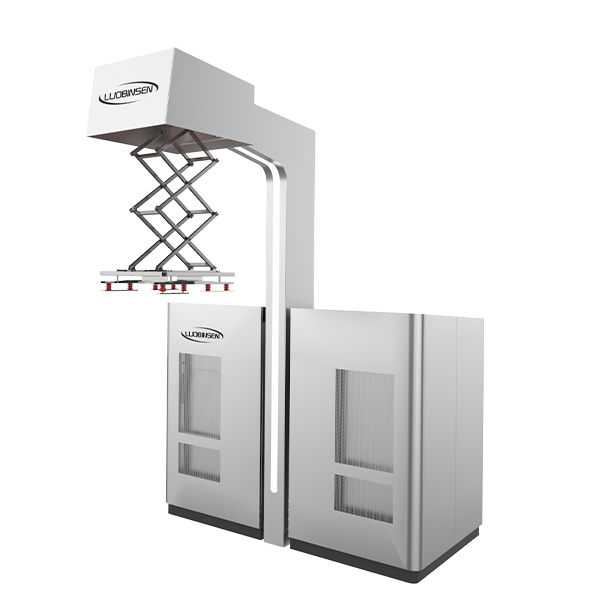
Think about simple facts: a mid-size transit operator can save hours per day if chargers connect faster and fail less often. So here’s the question I keep asking teams: are we choosing the right pantograph tech, or just the cheapest option that looks modern? This piece will compare what works and why, and then point to what I’d test first. Let’s move from the scene to the root causes.
Traditional Flaws in Pantograph Charging Systems
pantograph charging system designs solved the fast-charge need, but old patterns persist. I’ve audited depots where connector wear, poor alignment, and limited diagnostics cause repeated downtime. The control logic may be fine, yet mechanical tolerance issues—worn contact strip, bent pantograph head—bring a fleet to a crawl. Look, it’s simpler than you think: mechanical reliability drives electrical uptime just as much as software does.
What tends to go wrong?
First, many early systems assumed near-perfect alignment every time the vehicle stopped. In practice, drivers vary their stopping position by centimeters; that matters. Second, aging power converters and weak current collectors can trip under peak loads during cold mornings. Third, maintenance data are often missing or siloed. I’ve seen logs stored on paper—yes, paper—so trends disappear. These gaps escalate repair cycles and spare-part needs. The result is unpredictable availability and higher total cost of ownership. — funny how that works, right?
Future Outlook: How Comparative Choices Improve Outcomes
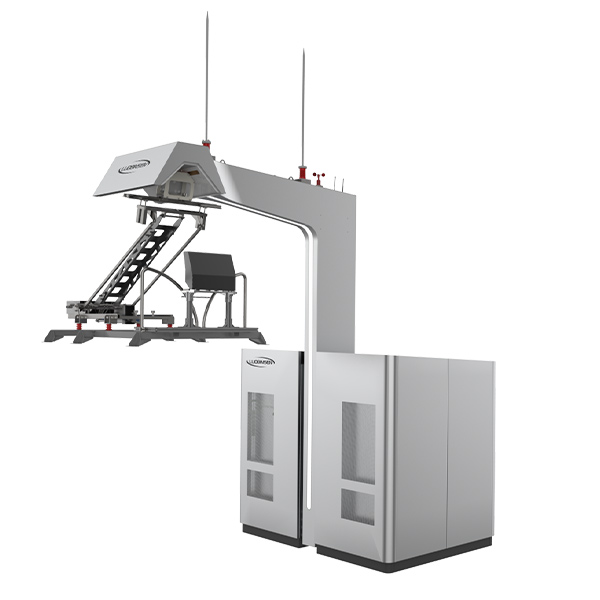
Moving forward, I focus less on single features and more on system-level trade-offs. A good pantograph charging solution blends robust mechanics, smart control, and easy service access. In several pilot projects I advised, adding basic sensors and a simple alignment assist reduced failed couplings by over 40% in six months. That mattered on the street: fewer delays, more predictable schedules, and calmer dispatch teams.
What’s Next for Fleet Managers?
We’ll see more modular designs (replace one module, not the whole unit), better diagnostics that talk to fleet management software, and gradual adoption of standardized interfaces so chargers work across vehicle models. I expect tighter integration with energy management systems too—so chargers report demand to the depot’s battery storage and avoid costly peak charges. These are practical shifts, not pipe dreams. — and yes, that’s deliberate.
Advice: How to Choose a Pantograph Charging Solution
Based on what I’ve seen, I recommend using three evaluation metrics when comparing options. First: mechanical tolerance and alignment aids. Check for active guidance, durable contact strips, and easy access for technicians. Second: interoperability and standard protocols. Make sure the charger can handshake with different vehicle controllers and depot software. Third: serviceability and data. Prioritize systems that log faults digitally, push alerts, and keep spare parts local or standardized. If you measure those three, you’ll cut surprises and make life easier for drivers and maintenance staff.
I’m pragmatic about trade-offs. We can chase the newest bells and whistles, or we can fix the basics that fail most often. When you balance reliability, cost, and future-proofing, you choose systems that actually work day after day. For practical procurement and partner choices, consider manufacturers that support field upgrades and clear diagnostics. I’ve worked with models that improved uptime simply because they made failures visible and repairable.
For more options and technical specs, check the vendor pages and real-world case studies; they help ground decisions in data. And if you want a quick checklist I use when visiting depots, I’m happy to share it. Finally, for supplier reference and product lines I trust, see Luobisnen.
