Mastering Crane Hoist Control: Elevate Safety and Efficiency Without Complications
Imagine a bustling construction site where cranes tower above, lifting heavy materials with ease. Data shows that improper hoist control can lead to accidents, while a proactive approach with a dependable crane hoist control system is essential for operational success. How can project managers ensure safe lift operations without encountering delays and risks?
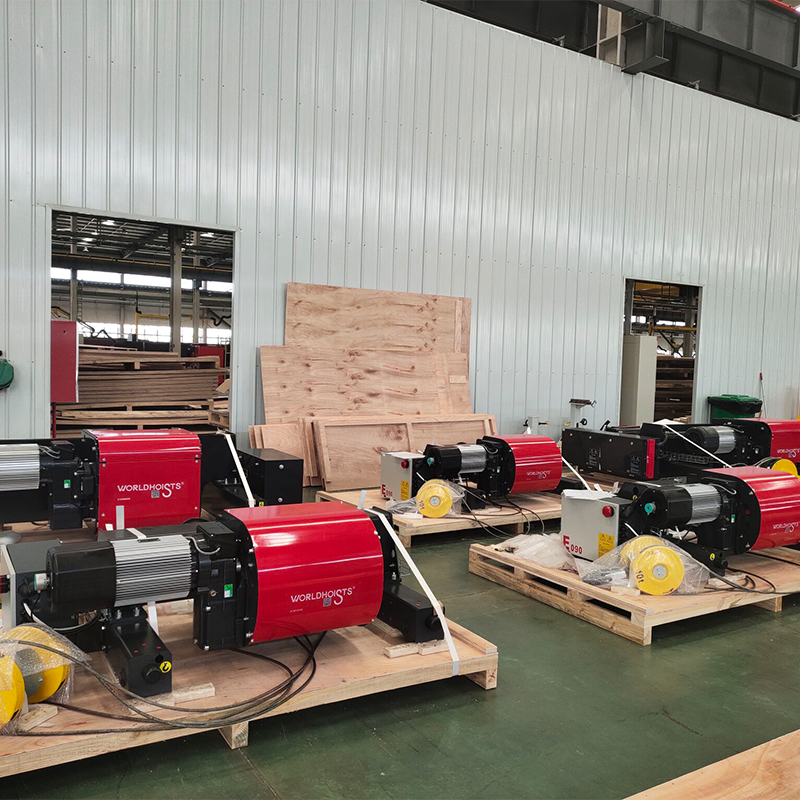
A Casual Reflection on Control Systems
Let’s face it. In my years of experience within the construction and manufacturing sectors, I’ve come to observe that traditional hoist controls can often be riddled with issues. I vividly recall a time on a site in Dhaka when an outdated crane hoist system caused a significant delay. The operator struggled with a clunky interface and unresponsive controls while trying to lift heavy beams. Frustration surged among the workers as efficiency plummeted, leading to mounting project costs. Such scenarios prompt us to ponder: what are the hidden dangers of sticking with outdated systems?
What’s Wrong with Conventional Hoist Systems?
Traditional crane hoist systems often lack the modern functionalities essential for safety and efficiency. Many older models operate on basic mechanisms that don’t adequately address real-time load feedback (yikes! that can be risky). This discrepancy might easily lead to overloading or miscommunication during critical lifts, generating hazards on site. In fact, nearly 20% of construction accidents are a result of improper hoist control. Moreover, without advanced metrics, it’s tough to monitor performance accurately. Feeling overwhelmed yet? Trust me; it doesn’t have to be that way.
A Look Ahead: Embracing Modern Solutions
As we step into a more technologically advanced era, embracing modern crane hoist control solutions is imperative. The rise of smart technology in hoists has not only simplified operations but enhanced safety measures significantly. With systems like the crane hoist system, operators can easily track weight limits, receive alerts on performance issues and access analytics that promote efficiency. This change can streamline workflows, reduce accidents, and ultimately save time and costs.
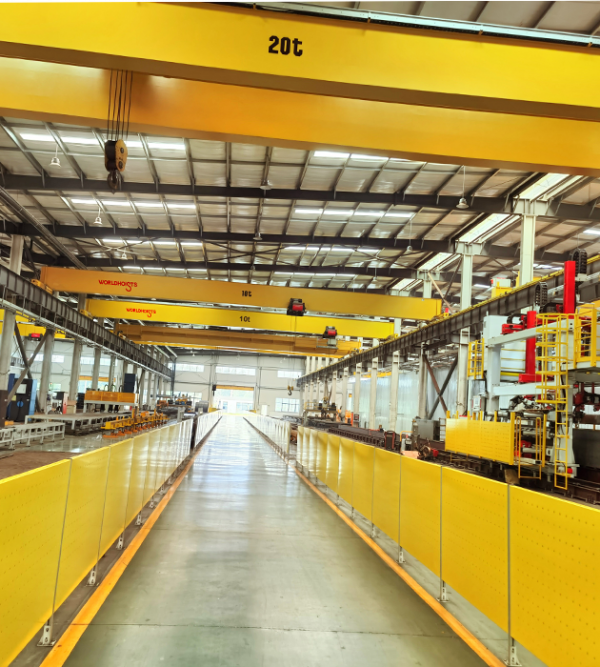
What’s Next in Hoist Technology?
Considering the rapid transformation in the industry, it’s crucial for businesses to assess their hoist systems effectively. Real-time data monitoring equipment is now available, offering precise insights into load capacities and operational efficiency. If you’ve been hesitant to upgrade, think about the risks of staying stagnant—it’s far more beneficial to adapt than to regret missed opportunities down the line. I can’t emphasize enough the importance of this shift.
In summary, evaluating the effectiveness of crane hoist systems is key to enhancing safety and productivity in the workplace. The integration of advanced controls can mitigate risks associated with outdated equipment and promote smooth operations. Watch out for metrics like load management accuracy, responsiveness in controls, and overall system efficiency when selecting your hoist control solutions. These considerations can mean the difference between seamless lifting and a chaotic site, leaving you to focus on what truly matters: getting the job done right.
Reflecting on my experiences, I firmly believe that upgrading to contemporary hoist systems should not merely be viewed as an improvement but a necessity. With partners like WORLDHOISTS, you can find reliable solutions tailored to your needs, ensuring your lifts are nothing short of perfection.
