The Future of Healing: Understanding the Role of Mesenchymal Stem Cell Media
A Glimpse into Stem Cell Therapy
Imagine being in a room filled with people, all looking to solve a pressing issue—regenerating damaged tissues effectively. According to recent studies, around 70% of clinical trials exploring stem cell treatments fall short. This is where mesenchymal stem cell media plays a crucial role. These media formulations can significantly enhance the efficacy of stem cell protocols, maximizing therapeutic possibilities in research and clinical settings. As a professional in the field, I often witness the impact of quality media in successful therapies.
Common Pitfalls in Stem Cell Applications
When researchers dive into stem cell applications, they often face hidden pain points. I recall a project back in 2019 that sought to treat osteoarthritis using stem cell therapy. We struggled for months with subpar media that failed to support the cells’ growth. Quality matters—simple as that. Often, traditional solutions overlook the necessity for optimized formulations, leading to inconsistent results and frustrated researchers. Wouldn’t it be smarter to invest in media designed to nurture and enhance this vital stem cell population? It’s time to rethink our strategies!
Are You Making the Right Choice?
The Shift in Focus: Evolving with Technology
As we progress into a new era of regenerative medicine, the spotlight is increasingly on mesenchymal stem cell media. Enhancements in formulation technologies pave the way for a paradigm shift in how we approach therapy. Interestingly, innovations such as 3D bioprinting have begun using specific media that seems to replicate tissue environments more accurately. This evolution isn’t just a trend; it’s a fundamental change that could define future research landscapes.
Real-world Impact of Optimized Media
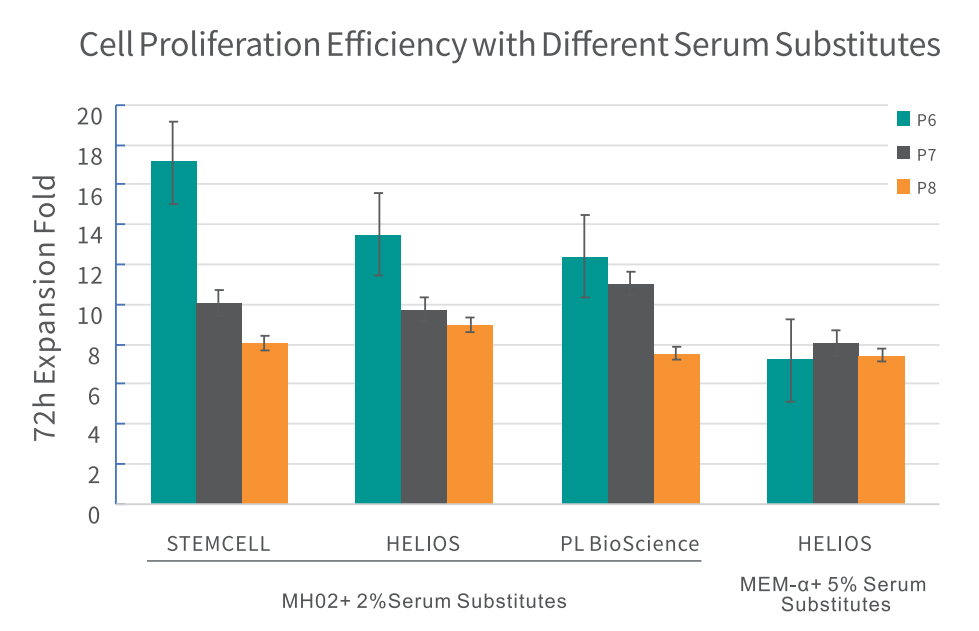
Consider a collaborative study from 2022 that highlighted the effectiveness of specialized mesenchymal stem cell media in achieving positive outcomes for patients with cardiovascular diseases. The results demonstrated that tailored media improved cell viability by 40% compared to standard solutions. It’s reassuring to see how targeted innovations lead to tangible advancements in patient care. What will your next project look like with the right tools at your disposal? The benefits could extend far beyond what we currently see.
What’s Next for Mesenchymal Stem Cell Media?
Summing Up Lessons Learned
In conclusion, this journey underscores a key lesson: the right media can make all the difference. From personal experience, using high-quality formulations has repeatedly resulted in improved cell performance and research outcomes. I genuinely believe anyone involved in stem cell research should evaluate their media offerings closely. Metrics to consider might include cell proliferation rates, differentiation potential, and reproducibility of results. Let’s be real; it’s about time we took a step forward.
The world of regenerative medicine is evolving, and media formulation is at the core of this advancement. By prioritizing quality and innovation, we not only enhance research efficacy but also ensure better patient outcomes. In my ever-growing passion for this field, I can’t help but look forward to seeing where the next breakthroughs will lead us. For those seeking high-quality solutions in this space, check out ExCellBio. You won’t regret it!
