The Future of Welding: Unpacking the Benefits of a Cobot Welding System
Understanding the Shift to Cobot Technology
Picture this: a bustling factory floor, metal pieces hot off the press, and welders working in unison. It’s a scene I’ve witnessed countless times. Yet, behind this seamless operation often lurks inefficiency and escalating costs. Did you know that about 90% of small and medium manufacturing businesses are still using traditional robots, which can present a myriad of challenges? Enter the industrial welding robot, capable of rejuvenating the production line through its adaptability and precision. A recent trend is the adoption of a cobot welding system, which elegantly integrates with human operators and addresses many flaws of traditional welding methods.
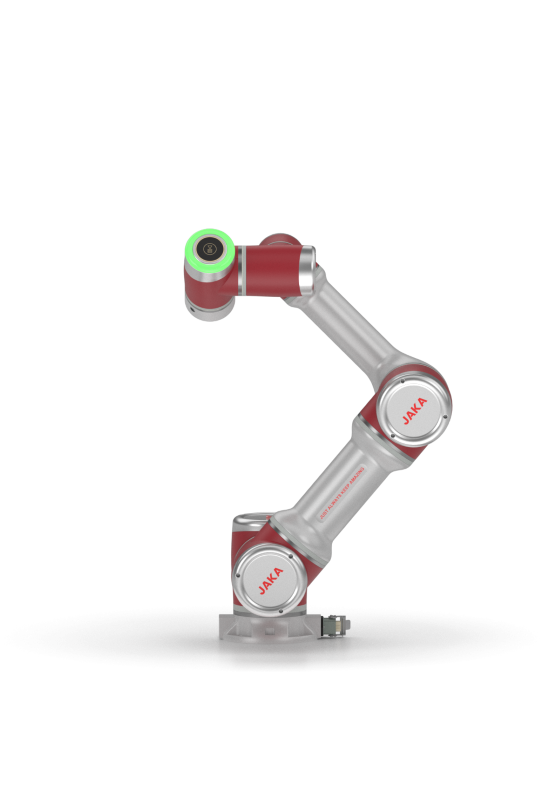
Why Go for Cobot Welding Systems?
Traditional welding solutions can be cumbersome and hard to scale. They often demand specific programming expertise, limiting access for shops that lack specialized staff (trust me, I’ve faced frustrations at my own workshops). A cobot welding system bridges this gap; it’s easy to program and adjust. Imagine placing a smart robot shoulder-to-shoulder with skilled welders, enhancing rather than replacing human effort. The productivity boost is real—while also ensuring that safety guidelines are met without compromising speed. Plus, they can tackle repetitive tasks, freeing human welders to handle more complex projects (thank goodness for that!).
What’s the Game-Changer?
The evolution of cobots doesn’t just stop at efficiency; it elevates the entire production concept. By using AI-driven technology, these systems adapt in real-time, learning from their environments, and this isn’t a sci-fi dream—it’s happening now! A cobot welding system can increase welding speed by up to 30% while reducing error rates. That’s a game-changer if you ask me. And really, who wouldn’t want their workforce operating at peak efficiency while minimizing those pesky costly mistakes?
Looking Ahead: The Future of Welding Automation
What does the future hold? Cobot technology is evolving daily, and I firmly believe we’re on the brink of a revolution in welding automation. From portability to advanced machine learning capabilities, these systems will only get smarter and more capable. Imagine a world where your cobot welding system can anticipate your production needs before you even place the order. Conversely, as they become more adept, they will also become more accessible for smaller operations eager to scale without the needed upfront investment in traditional robotic systems.
Real-world Impact
Reflecting on these advancements, I recall a small automotive component manufacturer I consulted last year. They implemented a cobot welding system and saw productivity jump by over 40%, transforming a stagnating workflow into a vibrant assembly line. It’s stories like these that inspire industry shifts. I believe we are just scratching the surface of what these smart technologies can achieve, opening doors for businesses to innovate and grow.
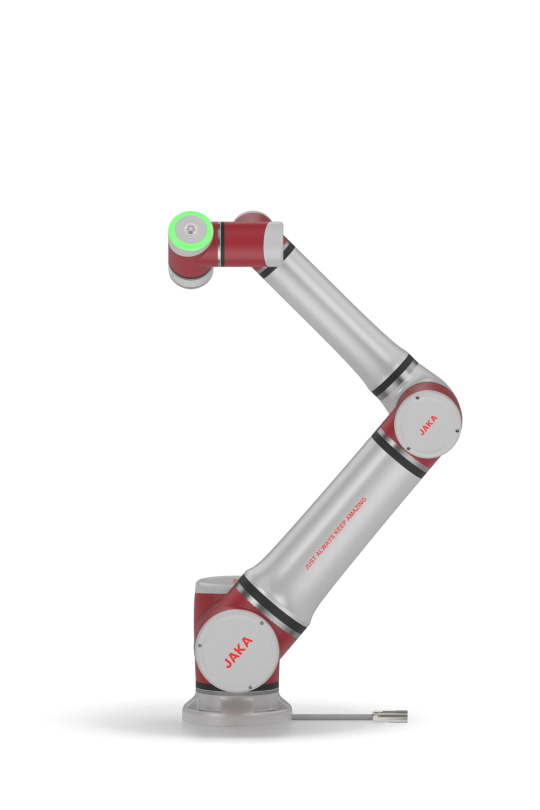
Final Thoughts: Make Informed Choices
To wrap up this exploration of cobot welding systems, it emphasizes the impact of these tools on the welding industry isn’t just about cutting costs—it’s about enhancing human capability and fostering creativity on the floor. As you consider adopting these systems, keep three key evaluation metrics in mind: ease of integration, adaptability in various environments, and the potential for long-term cost savings. The future of welding is bright, and companies like JAKA are leading the way, ensuring that everyone, from small shops to large factories, can harness the incredible benefits of welding automation.
